Disagreements are part of rental ownership. A rent increase, a maintenance request, or a missed payment can quickly turn into a difficult conversation if it isn't handled the right way.
In fact, industry data from early 2026 shows that formal tenancy disputes have continued to climb steadily, driven by the modern economic pressures facing both owners and residents.
So here are the core conflict resolution tactics that every professional property manager should use to diffuse tension, protect investments, and keep operations running smoothly.
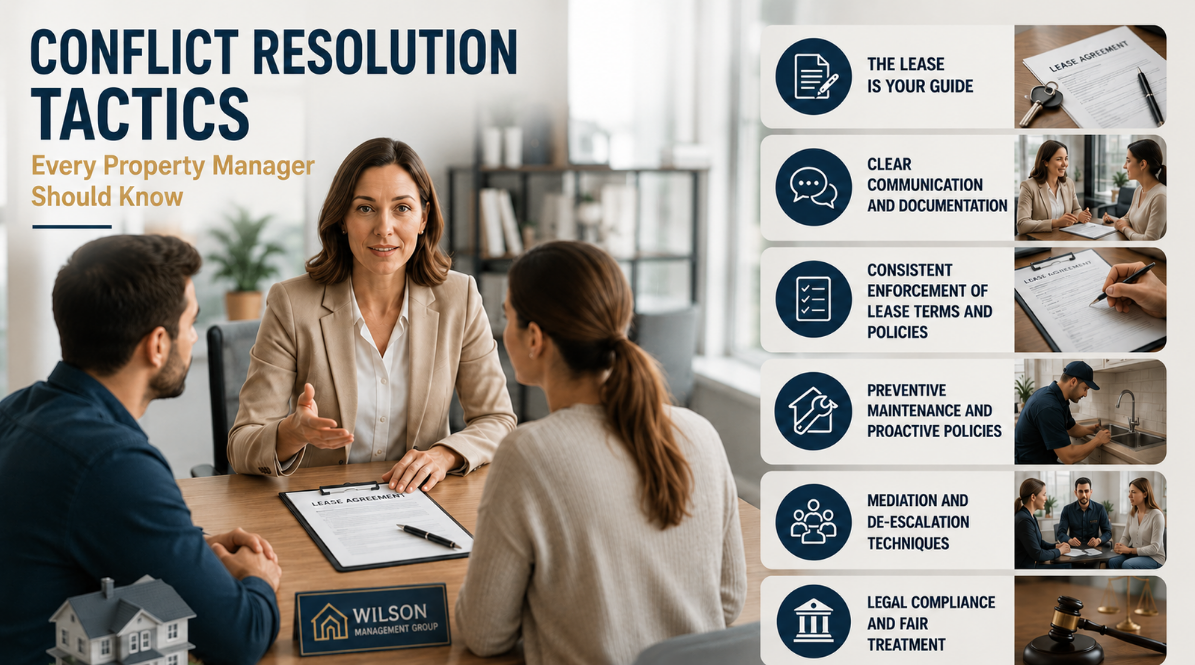
The Lease Is Your Guide
The lease spells out each party’s rights and duties. When a dispute arises, the first step is to check the lease. For example, if a tenant complains about late rent, review the late-fee policy and notice period in the lease.
The lease agreement is the foundation for handling all tenant disputes. It is not just a formality signed at move-in; it is a legally binding roadmap that dictates exactly what can and cannot be done.
Florida law treats the signed lease as a binding contract. Local ordinances cannot override state law so the lease terms, crafted to comply with FL statutes, set the ground rules.
Clear Communication and Documentation
A classic pitfall for independent or accidental landlords is handling complex complaints through informal, scattered channels like casual text messages or phone calls.
When a tenant raises an issue, listen calmly and professionally. Showing empathy and concern can defuse tension immediately.
However, asking tenants to put complaints or concerns in writing along with any evidence can protect both sides by creating a clear record.
Keep a file of all communications related to the dispute. Write every text, portal message, and email with the assumption that a judge, a HUD representative, or an attorney might read it in the future.
Consistent Enforcement of Lease Terms and Policies
Treat all tenants fairly to avoid claims of discrimination or retaliation and follow Fair Housing, HUD, and all federal, state, and local regulations.
When managing difficult conversations, you must remember that you cannot make ad-hoc rules or exceptions for one resident that you would not offer to another. All residents must be treated fairly and consistently.
If a tenant breaches a lease term, you can require remedy. For instance, if the lease says no pets and a tenant got a dog, issue the notice and demand removal of the pet.
Preventive Maintenance and Proactive Policies
Many disputes start with unaddressed repairs. Proactively schedule routine maintenance such as HVAC, plumbing, or roofing checks and respond quickly to repair requests. Keeping the unit in good repair prevents frustration.
Include clear policies in the lease to avoid confusion. As industry sources advise, outline rules like quiet hours, parking assignments, guest limits and maintenance procedures in the lease.
Schedule periodic walkthroughs but with proper notice to catch small problems before they escalate. Inspections or requiring tenants to self-report can head off complaints like pest issues or unauthorized alterations.
Mediation and De-escalation Techniques
During any discussion, use neutral language. Avoid blame or personal criticism. Focus on solutions, not emotions. Sometimes an upset tenant just needs to be heard.
If the conflict involves multiple people, whether it’s two tenants or a tenant and management, it’s best to suggest a mediated meeting. If you reach any verbal agreement in a meeting, confirm it in writing immediately.
Be ready to negotiate reasonable compromises. For example, if a tenant complains rent is high and skipped a payment, consider a payment plan or small rent discount for timely payments going forward.
Legal Compliance and Fair Treatment
Wilson Management Group stays current on Florida landlord-tenant law. This should be an intentional focus for any landlord. Knowing the rules and applying them fairly to all tenants is property management 101. For example, state statutes demand written notice for repairs and breaches, and forbid landlords from cutting off utilities or locks to push a tenant out.
Never allow any discrimination. The federal Fair Housing Act bans discrimination by race, religion, sex, disability, etc. in rental housing. Similarly, local ordinances forbid refusing a tenant based on family status, income source, or disability. During disputes, treat all tenants equally regardless of background.
Eviction should always be the last option. If a tenant continues to miss rent payments or does not correct a serious lease violation after receiving the required notice, Florida law outlines the next steps. Before reaching that point, keep records of every conversation, notice, and action taken. Good documentation helps protect both the landlord and the eviction process if court action becomes necessary.
Final Thoughts
Most tenant disputes can be resolved before they become legal issues.
The key is to follow the lease, communicate clearly, document every step, and apply the same standards to every resident.
A consistent approach not only helps protect your investment but also builds stronger landlord-tenant relationships and reduces the risk of costly disputes over time.
Frequently Asked Questions
Q1- What are the most effective conflict resolution tactics for property managers?
Effective conflict resolution starts with the lease, document every complaint, listen without arguing, and respond in writing. Then the property managers apply the same rules to every resident and escalate only when needed carefully.
Q2- Can you recommend best practices that help property managers resolve tenant disputes?
Organize and retain all messages, maintenance requests, notices, and records. That keeps disputes organized, speeds responses, and gives managers a clear paper trail when conversations turn difficult to manage.
Q3- What are the best practices for de-escalating tenant disputes verbally?
Property managers should maintain a calm tone, use open-ended questions, let the tenant finish, acknowledge the issue, and restate the next step. Avoid blame, threats, or promises you cannot keep; stick to facts and dates only.
Q4- How do property management companies handle conflict resolution with difficult tenants?
Professional management companies like Wilson Management Group enforce lease terms firmly but fairly, document every single interaction, and issue formal written notices. If informal mediation fails, they escalate the issue to legal counsel or formal eviction proceedings. They also follow state laws to keep things fair for everyone.
Q5- What are the best communication methods for property managers to handle conflicts efficiently?
Text messaging, resident portals, and email work best because they reach tenants quickly and preserve a record. Most property management software platforms support those channels for conflict follow-up.